


Venur, Karkala - Timings, History, Architecture, Best Time to Visit




 #1 of 12 Places to Visit in Karkala
 Distance (From Karkala): 35 Kms

 Trip Duration (Including Travel): 2-3 Hours

 Transportation Options: Bus / Cab


 Travel Tips: None
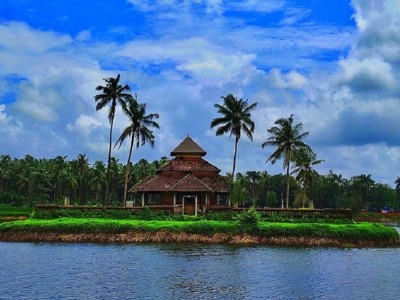
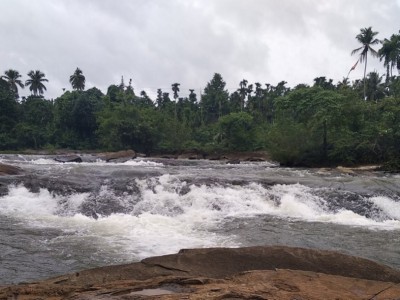
At a distance of 35 Km from Karkala, Venur or Venooru is a small village in the Dakshina Kannada district of Karnataka, India. Located on the banks of River Phalguni, it is one of the most frequented places to visit as part of the Karkala pilgrimage packages.
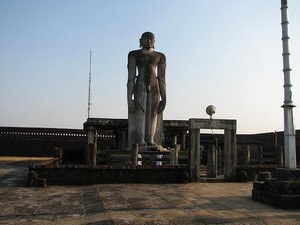
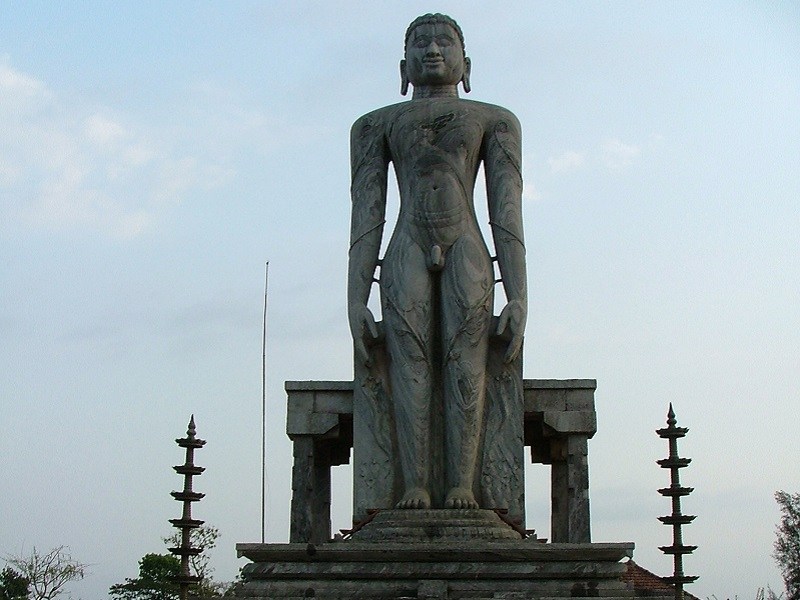
Once a prominent center of Jainism, Venur is located along the Dharmasthala-Moodabidri-Karkala route, which is part of the coastal religious circuit in Karnataka. It served as the capital of the Ajila Dynasty, which ruled from 1154 AD to 1786 AD. The primary attraction in Venur is the monolith of Bhagawan Bahubali, also referred to as Lord Gomateshwara. This single rock statue of Gomateshwara was erected in 1604 CE by the Jain ruler Timmanna Ajila, a direct descendant of Chamundaraya, who constructed a similar statue at Shravanabelagola.
The statue, standing at 35 feet tall, faces westward and is positioned on a high platform along the banks of the river Phalguni. It is believed that Beeru Kalkuda sculpted this statue. The Bahubali statue is one of five monumental monoliths of Lord Gomateshwara located in Karnataka, with the others situated at Shravanabelagola, Karkala, Dharmasthala, and Gomatagiri. It is also enclosed in a manner similar to that of Shravanabelagola. Like Shravanabelagola, Venur is renowned for its Mahamastakabhisheka ceremony for Bahubali, which was last conducted in 2024.
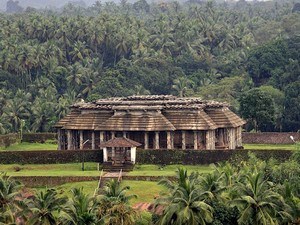
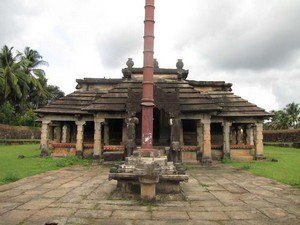
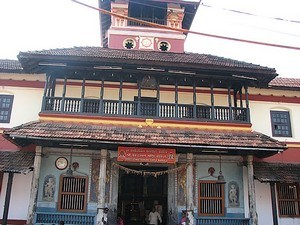
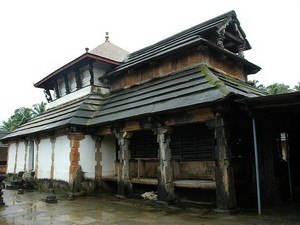
Additionally, visitors can explore the nearby Akkangala Basadi, Binnani Basadi, Parshwanatha Basadi, and the three-storied Shantinatha Basadi, all of which showcase the rich architectural heritage of Jainism. Akkangala Basadi, also known as Eda Basadi, is dedicated to Lord Chandraprabhu and was built by Malli Devi and Pandyakka Devi (the two wives of King Thimmanna Ajila) in 1604. If time permits, tourists are encouraged to visit the Kallu Basadi, commonly referred to as Dodda Basadi. This basadi was constructed from rocks, which is why it is named Kallu Basadi. The presence of a grand courtyard is the reason for its alternate name, Dodda Basadi (Big Basadi). Upon arriving at Kallu Basadi, travelers will have the opportunity to view the 5-feet statue of Shantinatha, along with the rock formations of Yakshi Mahamanasi and Yasha Garuda flanking the idol.
Timings: 6 AM - 6 PM
Entry: Free