-
Tours
-
-
- Domestic Tours
-
-
- Resorts
- Car Rentals
- Destinations
- Getaways
- Hotels
- Tools
- * Workation
- * Tour Plans
- Blog
- List Property
- * Offers *

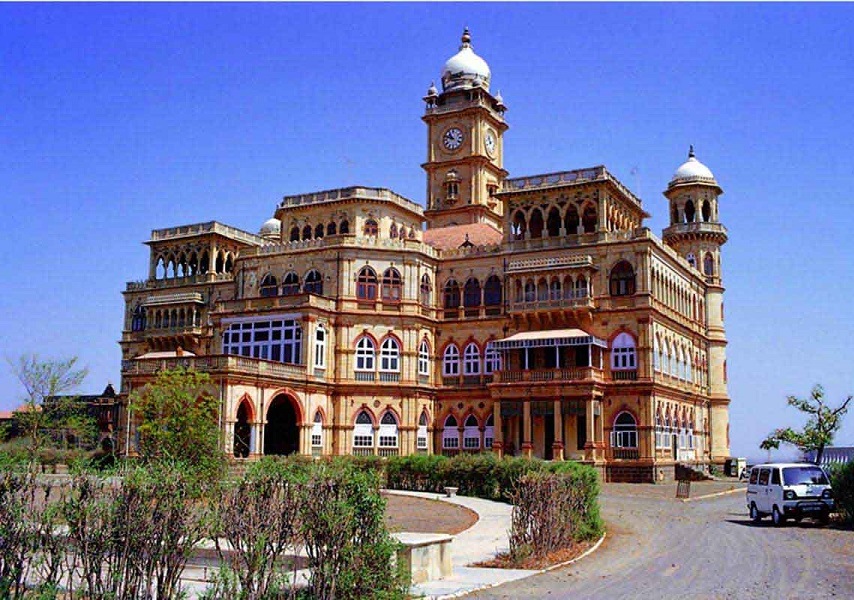

#1 of 5 Places to Visit in Wankaner
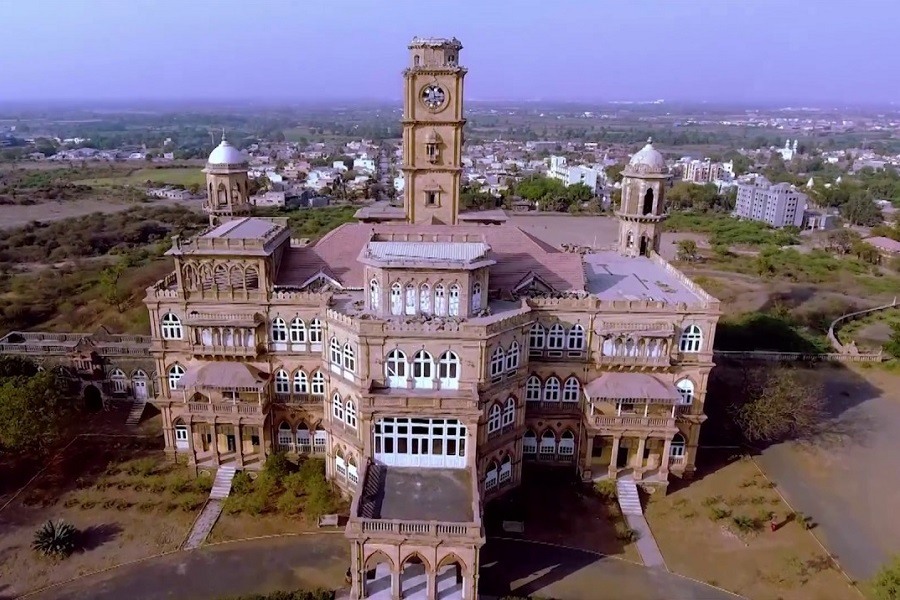
At a distance of 7.5 Km from Wankaner Junction, Ranjit Vilas Palace is a beautiful palace perched on the Gadhio Hills in Wankaner. It is one of the stunning royal palaces in Gujarat, and among the must-include places in the Wankaner heritage packages.
Ranjit Vilas Palace served as the main residence for the royal family of the princely state of Wankaner until 2012. Constructed by Amarsinhji, the building's construction began in 1907 and was completed in 1914 CE. The last ruler of Wankaner, Amarsinhji, was the architect behind the palace's design. The palace is named in honor of Jam Ranjitsinhji, the Maharaja of Jamnagar at the time, who was a close friend of Amarsinhji. The building sustained significant damage during the Gujarat earthquake of 2001.
Spanning over an area of 225 acres, Ranjit Vilas Palace is a blend of Victorian, Mughal, Gothic, and Dutch architectural styles. It is situated on a hill in the .....
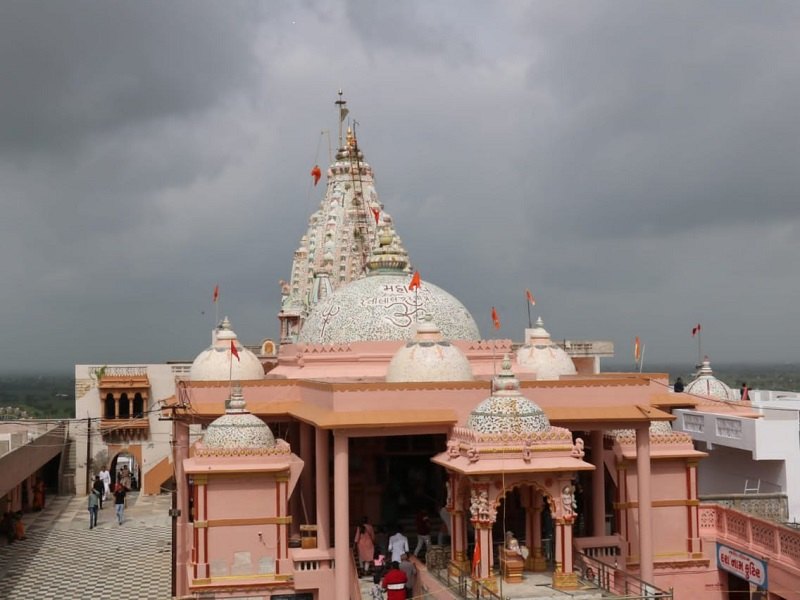
#2 of 5 Places to Visit in Wankaner
At a distance of 18 Km from Wankaner, the Jadeshwar Mahadev Mandir is a Hindu temple located in the Jadeshwar village near Wankaner, Gujarat, India. It is one of the prominent temples to visit as part of the Wankaner pilgrimage packages.
Situated on Ratan Tekri Hill, the Jadeshwar Mahadev Mandir is devoted to Lord Shiva. This sacred site is centered on a naturally occurring (Swayambhu) Shiva Linga, locally referred to as 'Jadeshwar Dada'. Although the precise date of its construction remains uncertain, it is believed to have been established approximately 500 years ago. Local folklore and revenue documents indicate that the temple was constructed sometime between 1825 and 1830. Devotees hold the belief that the temple's presiding deity has the power to alleviate chronic headaches and various physical ailments.
The Jadeshwar Mahadev Temple is a revered location rich in mythological significance. Jam Rawal, .....
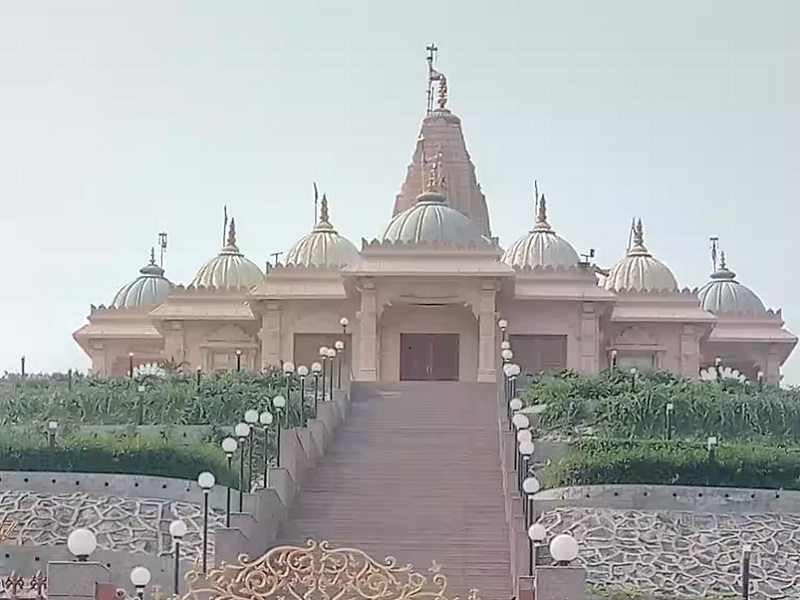
#3 of 5 Places to Visit in Wankaner
At a distance of 7 Km from Wankaner Junction, BAPS Shri Swaminarayan Mandir is a sacred temple situated within the Vivekananda Society of Wankaner. It is one of the popular temples to visit as part of the Wankaner family tours.
Perched on a small hill, the Swaminarayan Temple in Wankaner is an important Hindu shrine dedicated to Lord Swaminarayan. It is associated with the Bochasanwasi Akshar Purushottam Swaminarayan Sanstha (BAPS), a well-known organization within the Swaminarayan sect. This temple serves as a place of worship for adherents of the Swaminarayan Sampraday and also functions as a hub for community life, hosting various cultural events and social activities.
Founded in 2008, the temple is celebrated for its architectural splendor and detailed carvings, which showcase the rich legacy of Swaminarayan temple architecture. The structure features five spires and numerous sculptures, highlighting intricate .....
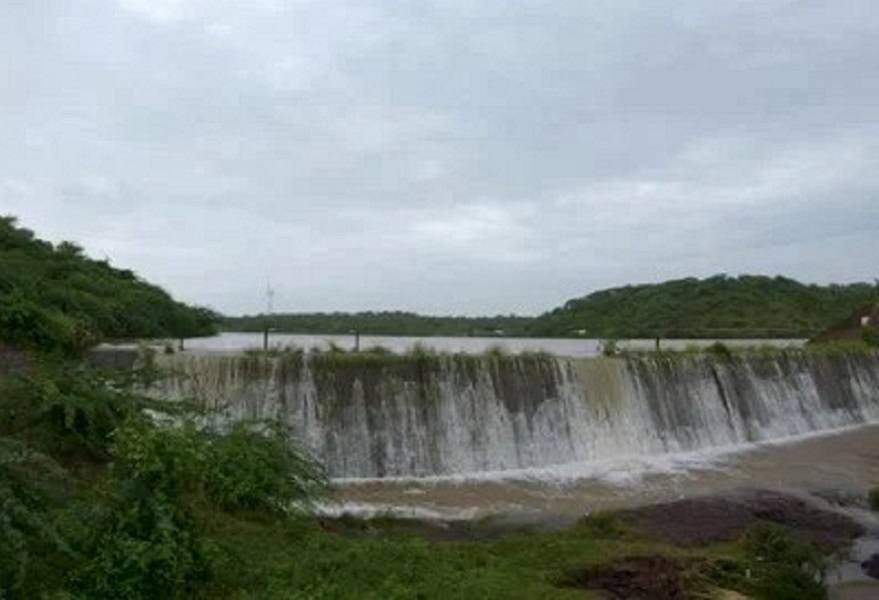
#4 of 5 Places to Visit in Wankaner
At a distance of 13 Km from Wankaner, Vadsar Lake, also known as Vadsar Nu Talav, is a serene manmade lake located at Vadsar village in the Morbi district of Gujarat, India. Situated on SH 319, it is one of the prominent places to visit as part of the Wankaner leisure tour packages.
Also referred to as Jaswantnagar Tank, Vadsar Lake is a historical irrigation reservoir located in Wankaner, constructed by Maharaja Shri Amarsinhji during his rule. He was recognized for his progressive governance and initiated numerous developmental projects, including the establishment of irrigation tanks such as Vadsar and Mesariya (Vinaysagar). The Vadsar Lake, which has now become a significant landmark, was an essential source of water for irrigation in the region.
Renowned for its scenic beauty and stunning sunsets, the lake is an idyllic location, ideal for relaxation and appreciating nature. The vicinity surrounding the .....
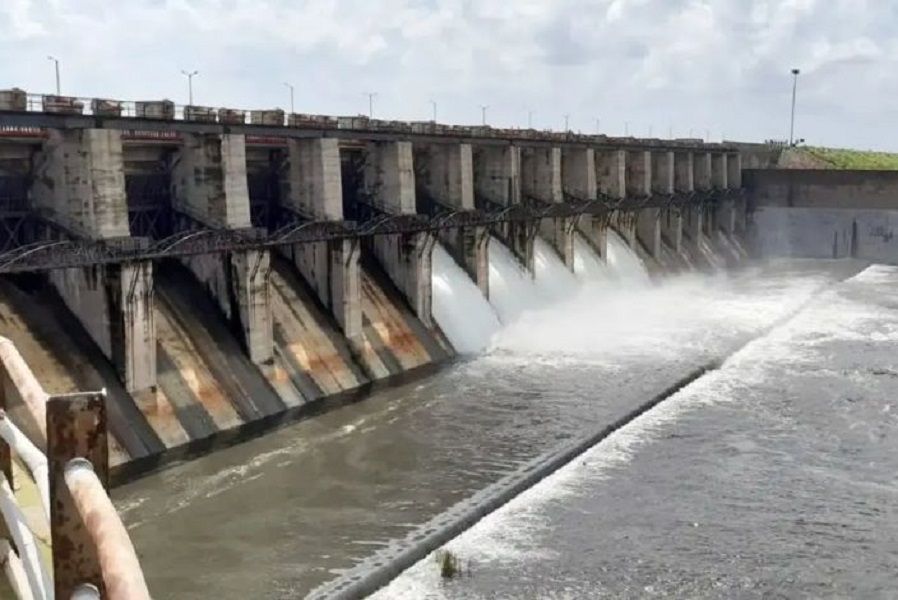
#5 of 5 Places to Visit in Wankaner
At a distance of 30 Km from Wankaner, Machchu Dam is an earth fill dam situated near Morbi town of Gujarat. It is one of the prominent places to visit as part of the Wankaner packages.
The Machchu Dam was constructed across the Machchu River, which originates from the Madla hills and eventually emptied into the little Rann of Kutch. In the Morbi district, there are two dams built over the Machchu River. The first dam, known as Machhu I Dam, was completed in 1959 and has a catchment area of 730 square kilometers. The Machchu II Dam was built downstream of Machchu I Dam in 1972, featuring a catchment area of 1,929 square kilometers.
Machchu Dam II was designed to support an irrigation scheme. Given the historical prevalence of drought in the Saurashtra region, the primary focus during its design was on water supply rather than flood control. The dam included a masonry spillway measuring 206 meters, which comprised 18 sluice .....
 +91-779959123010 AM - 7 PM (Mon - Sat)