


WANKANER TOURISM | TOURIST PLACES TO VISIT & TRAVEL GUIDE TO WANKANER
 Heritage
About Wankaner

 #100 of 19 Places to visit in Gujarat
 Ideal Trip Duration: Not Available

 Nearest City to Wankaner: Rajkot (64 Kms), Ahmedabad (215 Kms)
 Best Time to Visit Wankaner: November to February
 Peak Season: Not Available

At a distance of 64 Km from Rajkot, 116 Km from Jamnagar, 166 Km from Junagadh, 215 Km from Ahmedabad, 231 Km from Amreli, 231 Km from Porbandar, 235 Km from Bhavnagar, 257 Km from Somnath, 259 Km from Dwarka, 278 Km from Vadodara, 423 Km from Surat and 705 Km from Mumbai, Wankaner is a city and a municipality in the Morbi district of Gujarat. It is one of the offbeat places to visit as part of the Gujarat tour packages.
Situated along the banks of the Machchu River, Wankaner was a princely state within the Kathiawar region, part of India's historic Halar area. The city's name derives from its position on the Machchu River, with 'Wankaner' meaning 'riverbend'; where 'Wanka' signifies bend and 'ner' translates to river in the Gujarati language. Also referred to as Jhalawar, the city was initially governed by the Jhala Rajputs, who were renowned for their support of architecture and the arts. This charming town boasts numerous enchanting attractions and historical monuments that are essential to explore as part of the Wankaner tour packages.
The princely state of Wankaner was established in 1620 by Raj Sartanji, the son of Prathirajji, who was the eldest offspring of Raj Chandrasinghji of Halvad (1584-1628). In the 18th century, it was fortified as a defensive strategy against bandits and adversaries from surrounding regions. In 1807, it became a British protectorate when Maharana Raj Sahib Chandrasinhji II Kesarisinhji entered into a treaty with the British. King Amarsinhji, who governed the area until 1947, transformed Wankaner into a prosperous state. The state joined the Indian Union on 15 February 1948. Until 2013, Wankaner was included in the Rajkot district, and it is now part of the Morbi district and a constituency of the Rajkot Lok Sabha constituency.
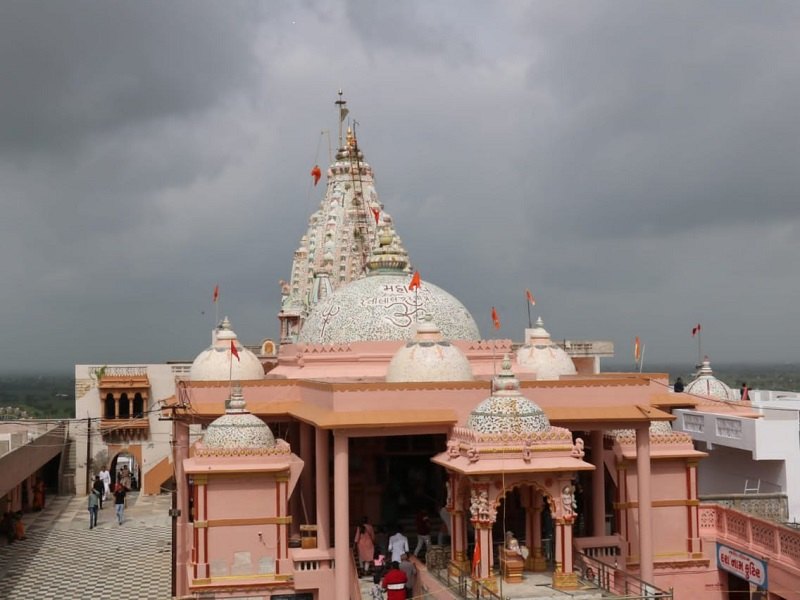
Additionally, local legend attributes the town's establishment to four friends, among them the saints Shahbava and Nagabava. Nagabava served as Rajyguru, the spiritual advisor of the state. A curse from Shahbava, predicting destruction by fire or water, is also woven into the local mythology. The temple of Nagabava and the dargah of Shahbava remain in the old city, attracting thousands of devotees daily seeking blessings.
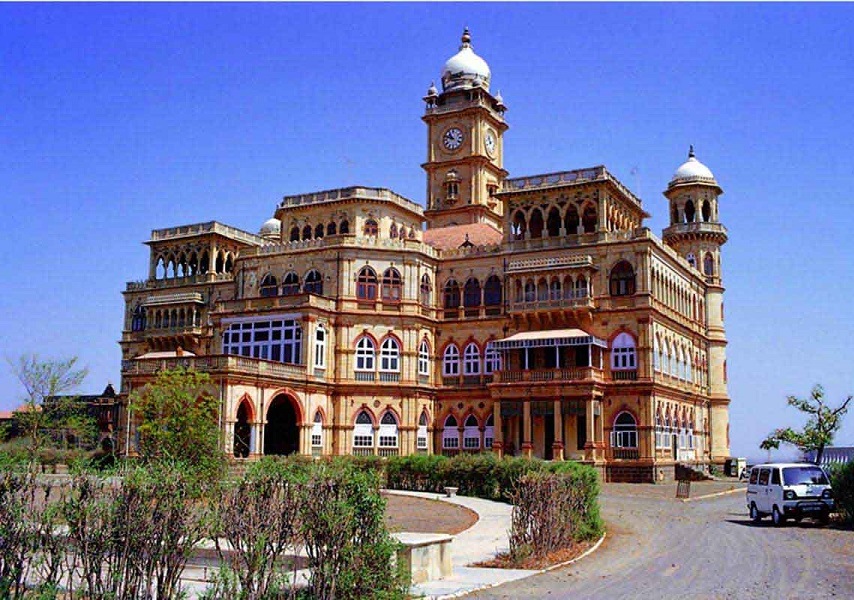
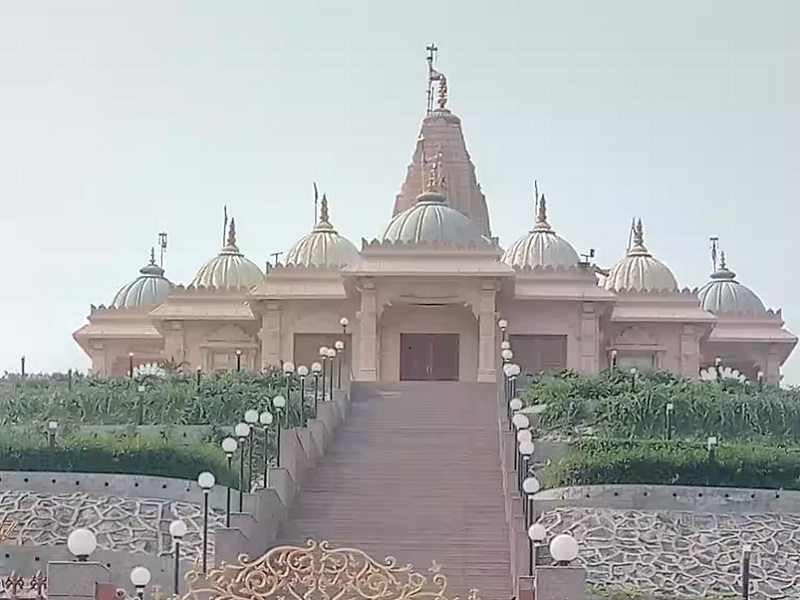
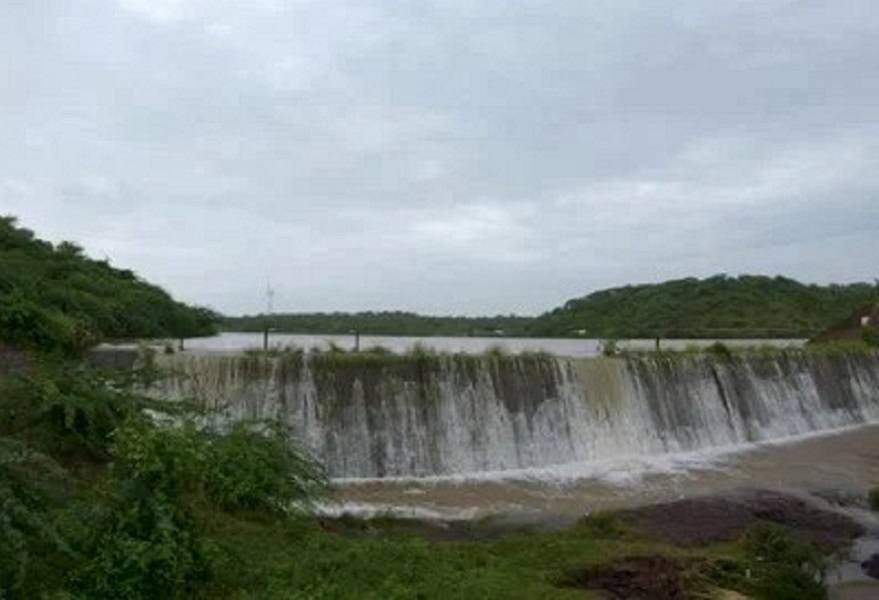
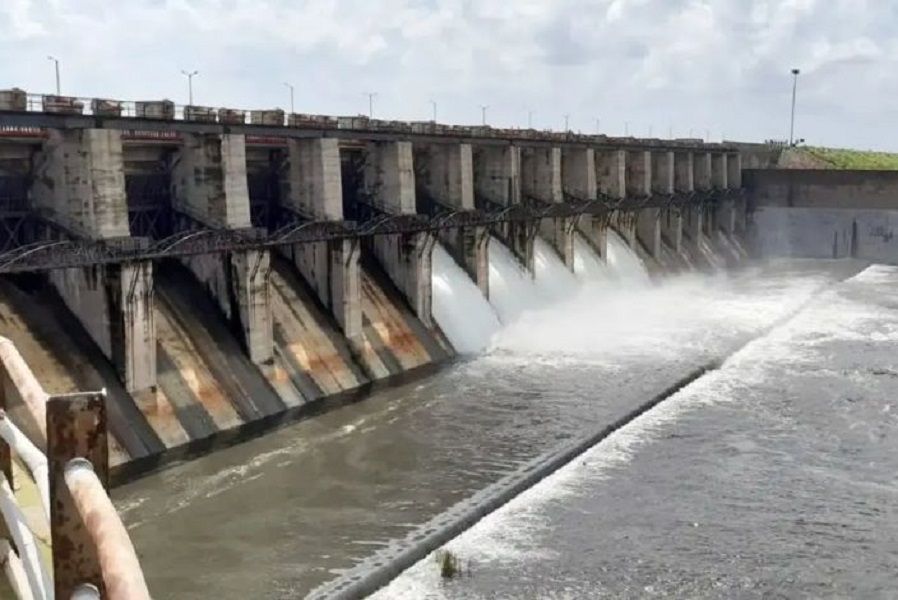
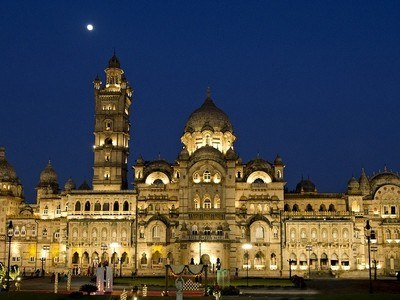
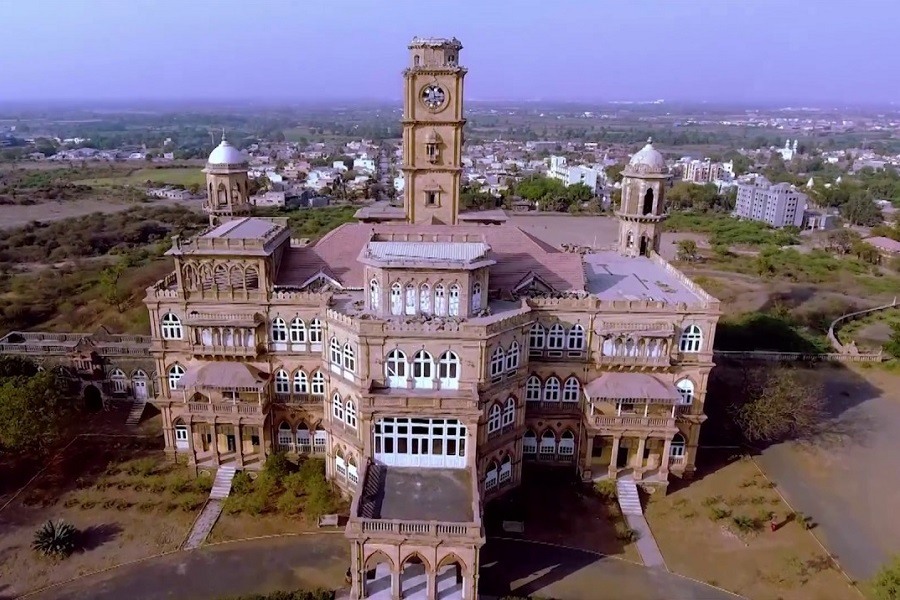
This charming town presents a distinctive combination of history, culture, and natural beauty that is bound to enthrall any visitor. Wankaner is famous for its splendid palaces, including the Ranjit Vilas Palace, which features remarkable architecture and elaborate artwork. Furthermore, the town is home to the renowned Machchu Dam, a scenic location where guests can partake in boating and relish the stunning views of the surrounding scenery. Other notable places to visit in Wankaner include Jadeshwar Mahadev Mandir, Vadsar Lake, and Swaminarayan Temple.
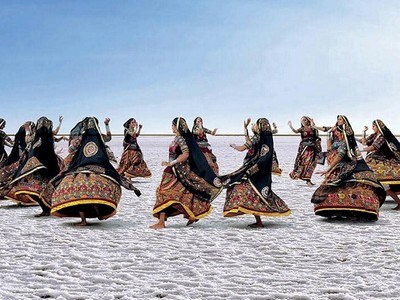
Wankaner celebrates various Hindu festivals with immense enthusiasm and zeal. Among the most notable are Navratri, Diwali, and Janmashtami. Navratri, a nine-day celebration devoted to honoring the divine feminine, features lively Garba and Dandiya Raas dances. Furthermore, the town also recognizes other regional and national festivals during the year.
About 54 Km from Wankaner, Rajkot Airport serves as the closest airport with direct flights available from Mumbai and New Delhi. Travelers can reach Wankaner by taking a bus/train or hiring a cab from Rajkot. Wankaner has its own railway station, providing good train connectivity to destinations such as Okha, Mumbai, Gandhidham, Rajkot, Somnath, Ahmedabad, Porbandar, Delhi, Indore, Jamnagar, Bhavnagar, Rameshwaram, Puri, Jaipur, Dwarka, Kochi, Trivandrum, Pune, Kolkata, Jabalpur, Bilaspur, Coimbatore, Hyderabad, Surat, and others. Additionally, Wankaner boasts excellent road connectivity to Ahmedabad, Surat, Bhavnagar, Rajkot, Jamnagar, Gandhidham, Bhuj, Amreli, Junagadh, Dwarka, Somnath, Vadodara, Porbandar, Okha, Mumbai, Pune, Indore, Jaipur, and Udaipur.
There are several accommodation options available in Wankaner ranging from budget to medium, and heritage hotels that provide outstanding services and give grand hospitality to their guests.
The best time to visit Wankaner is during the winter months from November to February. During this season, the climate is pleasant and cool, making it perfect for sightseeing. Furthermore, the festivals held during this time, including Navratri and Diwali enhance the cultural richness of the city. It is crucial to recognize that the summer months, spanning from March to June, can be extremely hot and humid, while the monsoon season, occurring from July to September, brings substantial rainfall that may obstruct outdoor activities. Consequently, it is recommended to schedule your visit to Wankaner during the winter months for a comfortable and enjoyable experience.
None