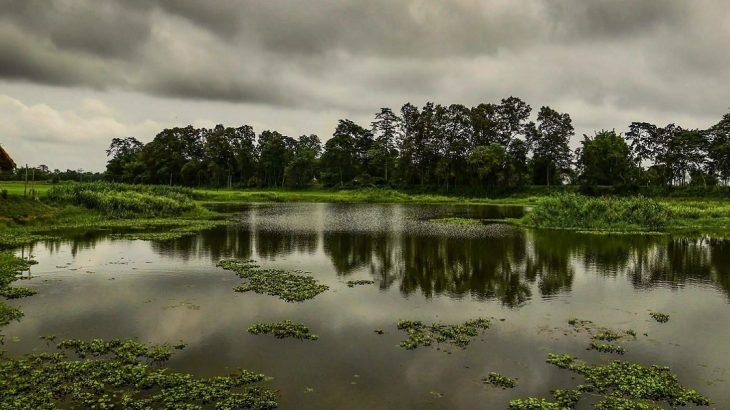
Assam is a breathtaking region recognized as the tea capital of India. Upon arriving in Assam, one can appreciate the proximity to nature and breathe in the fresh air. This area is endowed with five premier national parks in India and possesses a remarkable historical significance, rich with tales of conquest, power, triumph, and valor, dating from the Paleolithic era to the colonial period. This historical narrative is evidenced by numerous abandoned ruins, solemn yet contemplative shrines, cemeteries covered in grass, and extraordinary wildlife, including the endangered one-horned rhinoceros. The heritage of Assam is not only exemplified by its splendid monuments but also by its rich natural resources. Some of these locations have been recognized as UNESCO World Heritage Sites, while others are on the tentative list. Therefore, consider organizing a visit to Assam to discover some of Mother Nature’s most remarkable creations as part of India tour packages.
Kaziranga National Park
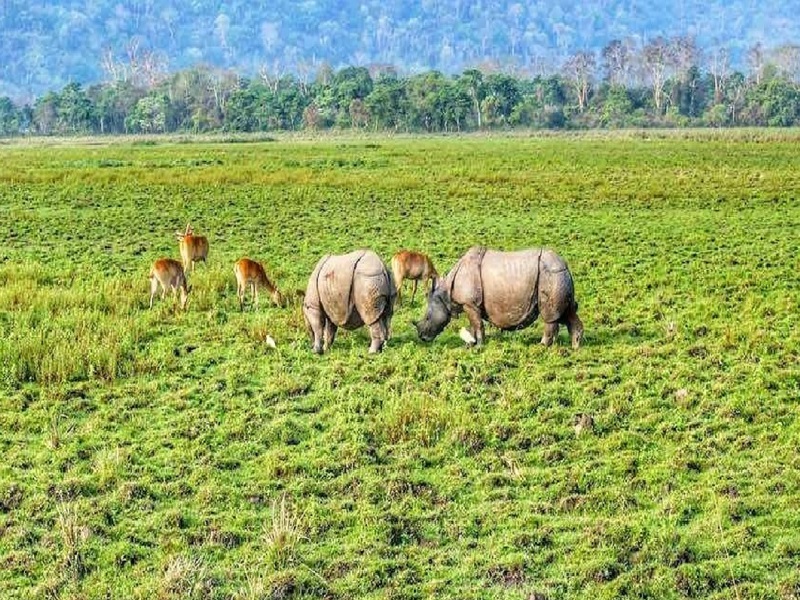
Situated at the periphery of the Eastern Himalayan biodiversity hotspot, Kaziranga National Park hosts two-thirds of the global population of Great One-horned Rhinos, in addition to elephants, tigers, panthers, bears, and numerous species of birds. Founded in 1908 following the advice of Mary Curzon, Kaziranga is also a sanctuary for the endangered Wild Asiatic Water Buffalo, and among themust-include places in wildlife tour packages. Covering an expanse of 430 square kilometers, it represents the largest undisturbed area in the Brahmaputra Valley floodplain and ranks among the finest national parks in India. Thanks to its distinctive natural environment and the conservation initiatives undertaken by the government and relevant authorities, the park was designated a World Heritage site by UNESCO in 1985. Visitors to Kaziranga can also engage in trekking, bird watching, and boat rides on the Brahmaputra River.
Book Here: Kaziranga Tour Packages
Manas Wildlife Sanctuary
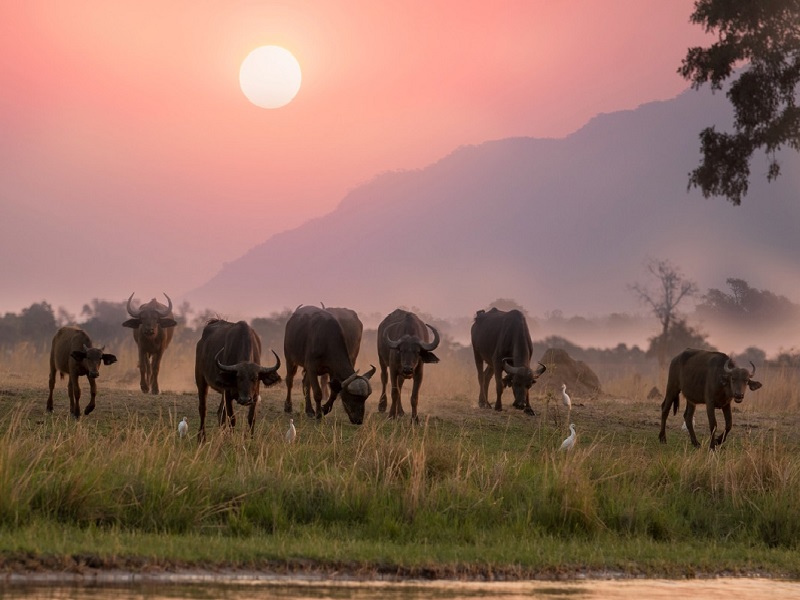
The Manas Wildlife Sanctuary or Manas National Park is a national park situated at the Himalayan foothills of Assam in India. It is one of the best for wildlife in Assam and among the top places to visit in Guwahati. Originally a game reserve since 1928, Manas became a Tiger Reserve in 1974, a UNESCO World Heritage Site in 1985, and a Biosphere Reserve in 1989. Then declared as a National Park in 1990. Contiguous with the Royal Manas National Park in Bhutan, the park is known for its rare and endangered endemic wildlife such as the Assam roofed turtle, hispid hare, red panda, golden langur, and pygmy hog. Manas is famous for its population of wild water buffalos. Manas is recognized not only for its rich biodiversity but also for its spectacular scenery and natural landscape which includes a range of forested hills, sedimentary grasslands, and tropical evergreen forests. It was also named one of the World Heritage Sites in Danger but was restored after extensive conservation efforts in 2011.
Also Visit: Top Wildlife Sanctuaries in Assam
Moidams – the Mound-Burial system of the Ahom Dynasty
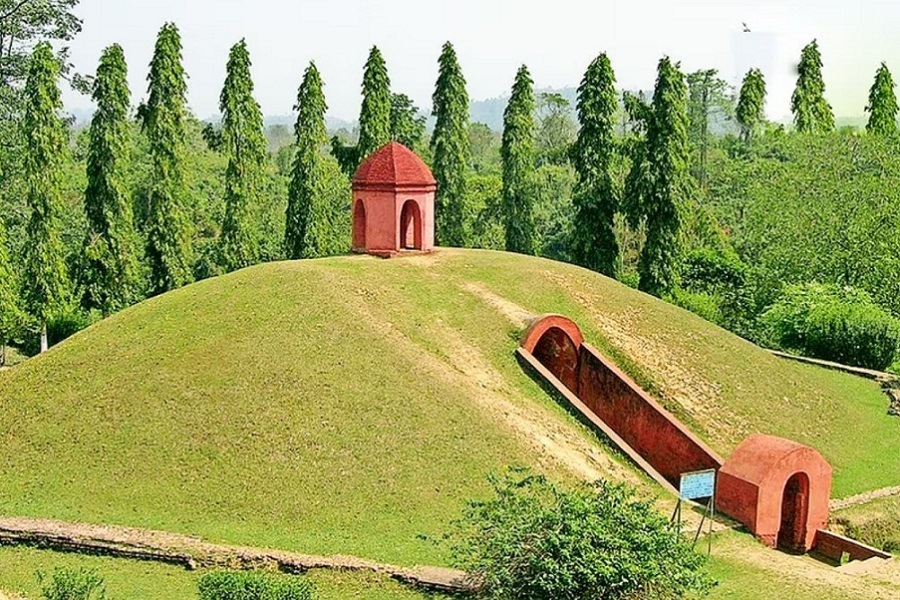
Located in the foothills of the Patkai Ranges in eastern Assam, the Moidams are burial mounds associated with the Ahom Dynasty, which governed Assam for nearly six centuries beginning in 1228 CE. Commonly known as the Pyramids of Assam, these mound-like formations served as the royal burial sites for the Tai-Ahom kings and nobles, showcasing their distinctive funerary customs. The Ahoms were originally Tai people who migrated to Assam in the early 13th century, led by Sukaphaa, the founder of the Ahom Kingdom. Moidams stand as a testament to the architectural and artistic skills of the Ahoms, merging local traditions with the influences of Tai-Ahom culture. Although moidams can be found in other regions of the Brahmaputra Valley, those located in the Charaideo district of Assam are considered particularly remarkable. The site contains ninety moidams – hollow vaults constructed from brick, stone, or earth – of various sizes. In 2024, the Moidams were acknowledged and added to the UNESCO World Heritage List during the 46th session of the World Heritage Committee, underscoring their cultural and historical importance.
Majuli Island (Tentative)
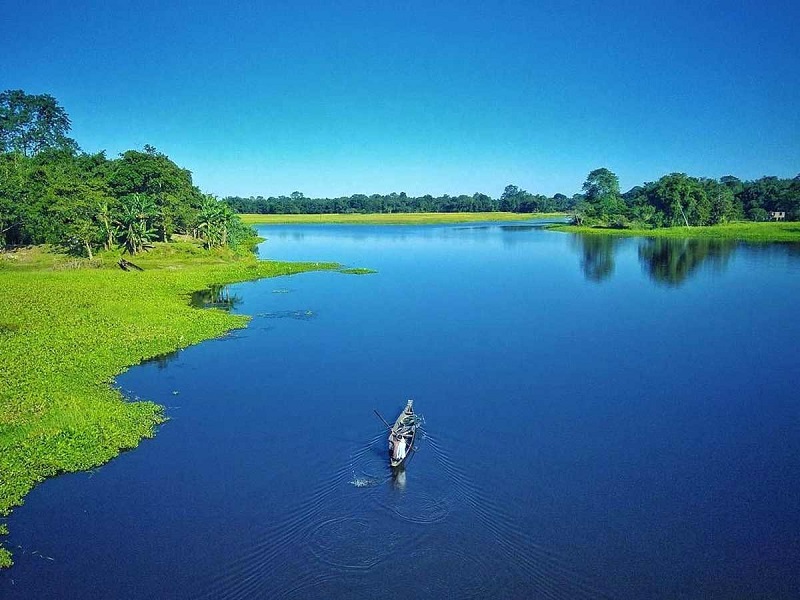
Majuli Island is one of the biggest River Island in the world lies on the Brahmaputra River in the northeastern state of Majuli Island is one of the biggest River Islands in the world and lies on the Brahmaputra River in the northeastern state of Assam. It is one of the popular places to visit in Assam and among the must-include places in Guwahati tour packages. The island is home to over 200 villages, inhabited by people from various ethnic origins. Along with its fascinating and unique culture and lifestyle, the island’s diverse ecosystem is not to be missed. Since 2004, this island is added to the tentative list of UNESCO Heritage Sites of India. One should surely visit the twenty-one Satras which are present on the island. Here, one can savor northeastern cuisine instead of seafood on this stunning island along with a fair taste of Assamese culture. Also home to colorful birds, one can explore this island by renting a bike/cycle which gives you a wonderful experience.
Must Visit: Stunning Islands of India
Iconic Saree Weaving Clusters of India (Tentative)
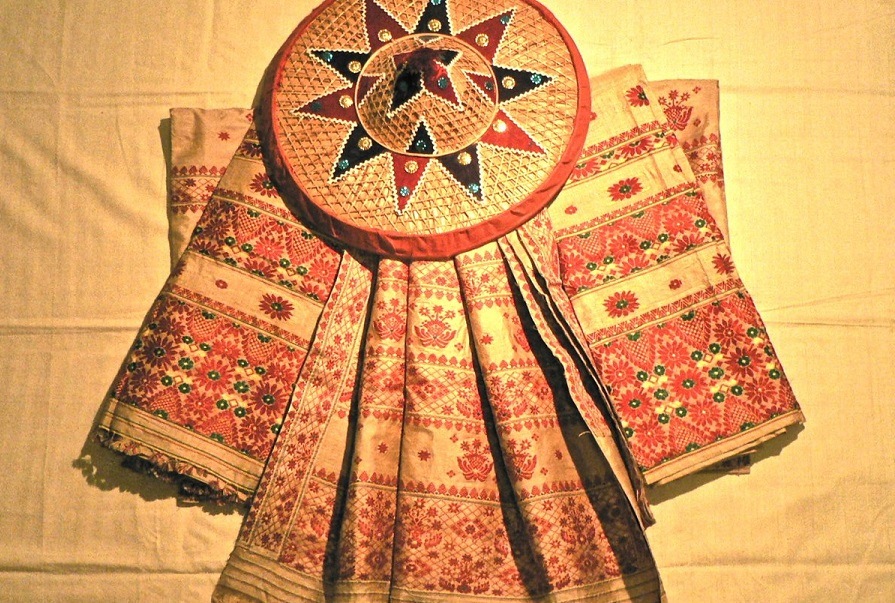
The Saree or sari is undoubtedly distinguishable as the Indian woman’s traditional attire and is essentially a valuable Indian contribution to the world’s cultural heritage and diversity. Traced to the Vedic civilization, the saree survives as a living traditional clothing, and it has no parallels in terms of versatility, the richness of color, texture, and variety of weaving techniques using different kinds of yarn, including cotton, silk, gold and silver thread. UNESCO added eight clusters where sari weaving in 2014 in the tentative list that includes Chanderi in Madhya Pradesh, Banaras or Varanasi & Feeder town Mubarakpur in Uttar Pradesh, Paithon & Yeola in Maharashtra, Koyyalagudem & Pochampalli in Andhra Pradesh, and Sualkuchi, Assam. Fondly called the Silk Village of Assam, Sualkuchi is famous for a variety of silk weaves that include Golden Muga Silk, Ivory White Pat Silk, and Light Beige Eri or Endi Silk. The village produces nearly 6 million meters of Assam silk annually and is said to have over 25,000 looms. It was declared a ‘Handloom Heritage Village’ and has become one of the must visit tourist places in Assam.
Similar posts:
 Popular UNESCO World Heritage Sites in Karnataka
 Lesser-known Facts About Hoysala Temples- The New UNESCO Site
 Complete Guide to Char Dham Yatra 2026
 20 Most Stunning Waterfalls in India
 20 Stunning Beach Destinations to Visit in India
 10 Most Beautiful Places to Visit in Kerala
 5 Beautiful Lakes in Ooty apart from Ooty Lake
 5 Beautiful Alternate Destinations to Goa
 14 Best Places to Visit on Valentine’s Day in India
 11 Tips to Save Money on Travel


