1
DAY 1 : TRAVEL TO VARANASI & SIGHTSEEING
DAY 1 : TRAVEL TO VARANASI & SIGHTSEEING
 Sightseeing
Leisure / No Sightseeing
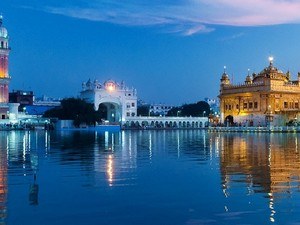
About Kashi Vishwanath Temple / Golden Temple
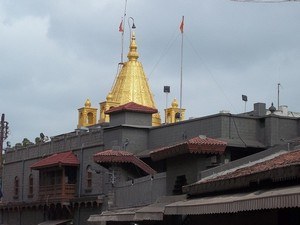
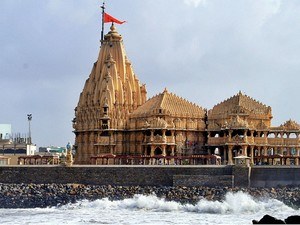
At a distance of 5 Km from Varanasi Junction, Kashi Vishwanath Temple is an ancient Hindu temple situated on the banks of River Ganga in Varanasi city of Uttar Pradesh. Kashi Vishwanath Temple is dedicated to Lord Vishwanath, one of the incarnations of Lord Shiva and he is regarded as the patron deity of Varanasi. Popularly known as Golden Temple, it is one of the twelve jyotirlinga temples of Lord Shiva, and also one of the popular
pilgrimage sites in India. The temple was visited by many great saints including Ramakrishna Paramhansa, Swami Vivekananda, Maharishi Dayanand Saraswati, Goswami Tulsidas, Adi Shankaracharya and Gurunanak Dev. Lord Vishwanath is considered to the supreme origin of the spiritual truth and strengthens the bonds of universal brotherhood. It is believed that a single darshan of Vishweshwara Jyotirlinga is considered to auspicious more than the darshan of other .....
 Duration of visit: 1 Hour
Timings: 4 AM to 11 PM
About Annapurna Devi Mandir
At a distance of 5 Km from Varanasi Junction, Annapurna Devi Mandir is a popular Hindu temple situated near Kashi Vishwanath Temple in Vishwanath Galli area of Varanasi, Uttar Pradesh. The temple is dedicated to Goddess Annapurna Devi, the Goddess of Food or the Goddess of Nourishment. It is believed that Goddess Parvati gave Alms to Shiva, and she is depicted with a bowl in one hand and ladle in the other, serving food to Shiva, standing in front of her with his begging bowl in the hand. Mata Annapurna is the Goddess of Varanasi who always protects Kashi and feeding her devotees. Having great religious importance in Hinduism, it is one of the must-include places in the
Varanasi pilgrimage packages.
History & Mythology of Annapurna Devi Mandir
Annapurna Devi Mandir was constructed by Maratha Peshwa Baji Rao in 1729 AD. According to the legend, the entire world .....
Duration of visit: 30 Mins
Timings: 4 AM to 10 PM
About Manikarnika Ghat
At a distance of 1 Km from Dasashwamedh Ghat and 6 Km from Varanasi Junction, Manikarnika Ghat is one of the holiest ghats along the banks of River Ganga in the sacred city of Varanasi. Situated just beside Dasashwamedh Ghat, it is the main cremation ghat in Varanasi, and among the most famous places to visit as part of the
Varanasi leisure tours. The Manikarnika Ghat is perpetually bustling with ceremonies and rituals, with pyres burning round the clock, and it is a poignant place where life and death intersect visibly. According to the religious beliefs, burning the dead bodies at this ghat is a way to attain Moksha, the salvation.
History of Manikarnika Ghat
The Manikarnika Ghat is vividly depicted in the Kashi Khanda and is commonly referred to as Mahashmashana, the grand cremation ground. Additionally, this ghat is mentioned in a Gupta inscription dating back to the .....
Duration of visit: 30 Mins
Timings: 24 Hours
BREAK FOR MEALS / HOTEL CHECK-IN | CHECK-OUT / SHOPPING / LEISURE
At a distance of 1 km from Dasashwamedh Ghat and 5 km from Varanasi Junction, Lalita Ghat is one of the main ghats on the Ganges River in Varanasi. This ghat is one of the most venerated ghats of Kashi for the devotees and is also identified among the seven most prominent ghats of Varanasi by Varanasi Tourism Department.
The ghat was built by King of Nepal, Rana Bahadur Shah in the early 19th century CE. The ghat is dedicated to Lalita Devi who is reckoned to be the personification of Goddess Durga. Devotees who come to this ghat believe that bathing at this ghat will earn the blessings of the Goddess.
Lalita Ghat is dotted with several Hindu temples. The well-known 'lingam' of Ganga Keshav and shrines of Gangatitya, Kashi Devi, Lalita Devi and Bhagirath Tirtha are affiliated to Lalita Ghat. Also known as Nepali Mandir, the Keshava temple was built by King of Nepal in typical Nepalese architecture. Also known as Kothwala Temple, thi is the replica of the famous Pashupatinath .....
Duration of visit: 30 Mins
Timings: Nepali Temple: 4 AM - 9 PM
About Sri Kasi Vishalakshi Devi Temple
At a distance of 5 Km from Varanasi Junction, Sri Kashi Vishalakshi Temple is a Hindu temple situated at Mir Ghat on the banks of the Ganges at Varanasi in Uttar Pradesh, India. The temple is dedicated to Goddess Vishalakshi Devi, the divine form of Goddess Sati. This temple is one among the 51 Shakti Peethas, and is part of the famous triad of temples- Kanchi Kamakshi, Madurai Meenakshi and Kashi Vishalakshi. Situated near Kashi Vishwanath Mandir, it is among the popular temples in Uttar Pradesh, and also one of the must visit places as part of the
Varanasi family packages.
History & Mythology of Sri Kasi Vishalakshi Devi Temple
The Sri Kashi Vishalakshi Devi Temple was established and is preserved by the Nattukottai Nagarathar, a trading community originating from Tamil Nadu. The temple's narrative is closely linked to the tale of Sati, the daughter of .....
Duration of visit: 30 Mins - 1 Hr
Timings: 4.30 AM - 11 AM & 5 PM - 10 PM
About Dasashwamedh Ghat
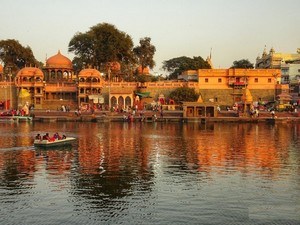
At a distance of 6 Km from Varanasi Junction, Dasashwamedh Ghat is a sacred ghat on the banks of River Ganga in the holy town of Varanasi. Located close to Vishwanath Temple, Dasashwamedh Ghat is the main ghat in Varanasi, and also one of the popular places to visit as part of the
Varanasi luxury tours. This is also the busiest ghat. On the tenth waxing fortnight of the Jyeshtha (May/June) worship of the Ganga is celebrated on a grand scale in the Ganga temple at the top of the ghat. Dashashwamedh Ghat is a popular destination for pilgrims and tourists who come to witness the sacred rituals, take part in boat rides, and soak in the spiritual ambiance of Varanasi.
History & Mythology of Dasashwamedh Ghat
Dashashwamedh Ghat is translated as the 'Ghat of Ten Horses.' This name originates from an ancient legend in which Lord Brahma conducted a ten-horse sacrifice, known as .....
Duration of visit: 30 Mins - 1 Hr
Timings: 24 Hours, Ganga Aarti: 6.30 PM
2
DAY 2 : VARANASI SIGHTSEEING & TRAVEL TO BODHGAYA
%%Itinerary_Title_Day2%%
About New Vishwanath Temple / Birla Temple
At a distance of 12 Km from Varanasi Junction, New Vishwanath Mandir, also known as Birla Temple is a Hindu temple situated in the premises of Banaras Hindu University (BHU) in Varanasi. Dedicated to Lord Shiva, it is one of the popular temples in Banaras and also one of the biggest tourist attractions that one must visit as part of the
Varanasi tour packages. The temple is colloquially called VT, an acronym of Vishwanath Temple. The temple is under direct administration of the Banaras Hindu University.
History of New Vishwanath Temple / Birla Temple
The original Kashi Vishwanath Temple was destroyed by multiple invaders; however, the locals supported by their Hindu patrons reconstructed this ancient temple as many times. Hence, Pandit Madan Mohan Malaviya decided to replicate Sri Kashi Vishwanath Mandir in the campus of Banaras Hindu University. The Birla family .....
Duration of visit: 30 Mins
Timings: 4 AM - 12 PM & 1 PM - 9 PM
At a distance of 11 km from Varanasi Junction, Bharat Kala Bhavan Museum is an art and archeological museum located within the campus of Banaras Hindu University, Varanasi. It is one of the oldest museums in India and also one of the important places to visit in Varanasi.
Bharat Kala Bhavan Museum was established in 1920 AD. From 1920 to 1962, the museum was shifted to several locations within Varanasi. Pandit Jawaharlal Nehru laid the foundation of the existing museum building in 1950 and the museum was shifted to its existing location in 1962. Rabindranath Tagore was its first honorary chairman. However the full credit for its development and upgradation goes to late Rai Krishnadasa who was a renowned Hindi writer and a great pioneer.
The museum holds more than 100,000 memorable collections of artifacts. These artifacts are displayed in different galleries namely Mahamana Malaviya Gallery, Nicholas Roerich Gallery, Chhavi or Painting Gallery, Sculpture Gallery, Nidhi or Treasure .....
Duration of visit: 30 Mins - 1 Hr
Timings: 10 AM to 5.30 PM, Closed on Saturday, Sunday and University Holidays
At a distance of 2 km from Assi Ghat and 8 km from Varanasi Junction, Sankat Mochan Hanuman Temple is a sacred temple on the banks of River Assi in Varanasi of Uttar Pradesh. Situated near Durgakund Temple, it is one of the holy temples in Kashi and also one of the top places to visit in Varanasi.
Sankat Mochan Hanuman Temple is one of the revered temples of Lord Hanuman in the city of Varanasi. The word Sankat Mochan means deliverer from troubles. Sankat Mochan Temple was founded by Tulsidas, author of the Ramcharitmanas. It was constructed in 1900s by Pandit Madan Mohan Malviya (founder of BHU). It is believed that temple has been built at the very spot where the saint Tulsidas had a vision of Lord Hanuman.
According to Vedic Astrology, Lord Hanuman protects his devotees from the anger of planet Saturn and those who have ill placed Saturn in their horoscope visit Sankat Mochan Temple to get remedy. The laddu offered at this temple is essentially famous among the locals. .....
Duration of visit: 30 Mins
Timings: 5 AM to 10 PM
At a distance of 7 km from Varanasi Junction, Tulsi Manas Mandir is a Hindu temple situated next to the famed Durgakund Temple in Varanasi, Uttar Pradesh. It is one of the most famous temples of Varanasi and also an important tourist attraction of the holy city.
Tulsi Manas Mandir was built in the year 1964 by Seth Ratan Lal Sureka of Bandhaghat (Howrah). Named after saint Tulsidas, the temple has been precisely devoted to Lord Rama. This temple has great historical and cultural importance in Hinduism since the ancient Hindu epic Ramcharitmanas was originally written at this place by Hindu poet-saint, reformer and philosopher Goswami Tulsidas in the 16th century CE.
The temple was constructed in white marble with beautiful landscaping all around. The walls of the temple are engraved with scenes from Ramcharitmanas, the Hindi version of Ramayana. The temple has beautiful images of the Ram, Sita, Lakshmana and Hanuman. There is an attractive Tulsi Garden which has very calm .....
Duration of visit: 15 Mins
Timings: 5 AM - 12 PM & 4 PM - 9 PM
At a distance of 7 km from Varanasi Junction, Durga Mandir or Durgakund Temple is a prominent Hindu temple situated near Tulsi Manas Temple in Varanasi. It is one of the popular places of pilgrimage in Banaras and also one of the must visit Varanasi Tourist Places.
Dedicated to Goddess Durga, Durga Mandir was built in the 18th century by a Bengali Maharani. According to the legend, the idol in the temple is not made by man but appeared on its own. It is believed that Goddess Durga has protected Varanasi for many centuries from the South. The temple is known with the name of monkey temple as tourists can spot number of monkeys in the temple vicinity.
The temple was built in Nagara style of architecture. The temple is painted red with ochre to match the colours of the central icon of Durga, the goddess of strength and power. The temple is made up of many small sikharas adjoined together. The temple is located on the banks of a rectangular tank, which is often called as the Durga .....
Duration of visit: 15 Mins
Timings: 4 AM - 1 PM & 3 PM - 8 PM
At a distance of 3 km from Dasashwamedh Ghat and 8 km from Varanasi Junction, Assi Ghat is one of the famous ghats on the banks of River Ganga in Varanasi. Situated at the confluence of Ganga and Assi Rivers, it is the southernmost ghat in Kashi and also one of the important Places to visit in Varanasi.
Assi Ghat has numerous references in the early literature of the Hindus including Agni Purana, Matsya Purana, Padma Purana, Kurma Purana and Kashi Khand. According to the mythology, Goddess Durga had thrown her sword in Assi River after killing the demons Shumbha & Nishumbha. Assi Ghat is called as Assi Saimbeda Tirtha in Kashi Khand and is one of the five special ghats visited by pilgrims during the Panchtirtha Yatra.
Also known as Asi Ghat, the Ghat is renowned for a large Shiva Lingam placed under a Peepal Tree. This place also boasts one more ancient temple enshrining a Shiva Lingam famously known as Asisangameshwar Lingam. This was also the place where the renowned saint .....
Duration of visit: 30 Mins
Timings: 24 Hours
3
DAY 3 : BODHGAYA SIGHTSEEING & TRAVEL TO RAJGIR
%%Itinerary_Title_Day2%%
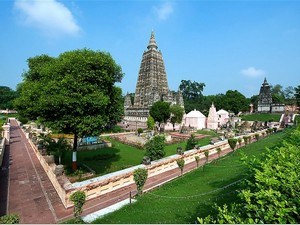
At a distance of 1.5 km from Bodhgaya Bus Station, Mahabodhi Temple is an ancient Buddhist temple located in Bodh Gaya, Bihar. Situated near Muchalinda Pond, it is one of the oldest Buddhist temples in India and among the prime places to visit in Bodh Gaya as part of the Buddhist Pilgrimage Tour in India.
Situated on the banks of Niranjana River, Mahabodhi Temple Complex is one of the four holy sites related to the life of the Lord Buddha. The temple is fondly called as the 'Great Awakening Temple' as this is the very place where Lord Buddha is said to have attained enlightenment. The original temple was built by Emperor Ashoka in the 3rd century BC, however, the present structure is estimated to be erected between 5th and 6th century BC during the Gupta Period. The Temple was restored by the British in the year 1880 and the Indian Government after independence. Due to its religious and historical significance, the temple has been declared as a UNESCO World Heritage Site in the year .....
Duration of visit:
Timings:
At a distance of 500 m from Mahabodhi Temple, and 1 km from Bodhgaya Bus Station, Archaeological Museum is a museum located in Bodhgaya, Bihar. Situated near Chinese Temple, it is one of the best museums in Bihar, and among the must-visit tourist places in Bodhgaya.
Established in 1956, the Archaeological Museum in Bodh Gaya was established to display ancient articles belonging to the Brahmanical and Buddhist beliefs, mostly related to the Pala period. The museum has several displays on various Buddha preachings and his ideals. Apart from articles from Gautam Buddha's age, you will also find various artifacts, scriptures, and educational aids that belonged to the ancient universities at this museum.
The museum has two galleries and an open courtyard, along with two verandahs that boast various antiques. The first gallery exhibits the sculptures depicting crowned Buddha in Bhumisparsamudra, Maitreya, a standing image of Manjusri, images of Buddha in a different attitude, standing .....
Duration of visit:
Timings:
At a distance of 700 m from Mahabodhi Temple, and 1 km from Bodh Gaya Bus Station, Wat Thai is a Thai monastery located in Bodhgaya, Bihar. Situated near Maya Sarovar, it is one of the exquisite monasteries in Bodh Gaya and among the must-visit places in Bodh Gaya.
Popularly known as Thai Monastery, Wat Thai Buddhagaya was established in 1956 by the government of Thailand on the request of the former Prime Minister Jawaharlal Nehru to strengthen the relationship between the two countries. The monastery was constructed with an idea of propagating the philosophies of Buddhism among the masses. It is the only Thai Temple in India. The place abounds with peace and serenity and is ideal for solace seekers and those looking for a break from the humdrum of city life.
Known for its exceptional architecture and stunning beauty, Wat Thai Bodhgaya is strikingly similar to the temples of Bangkok and is richly gilt and highly ornamental. It has a sloping roof covered with golden tiles. .....
Duration of visit:
Timings:
At a distance of 500 m from Giant Buddha Statue, and 1 km from Bodhgaya Bus Station, Royal Bhutan Monastery is a magnificent Buddhist monastery and temple located in Bodhgaya, Bihar. Situated beside Wat Thai Buddhagaya, it is one of the peaceful places to visit in Bodh Gaya.
Built by the King of Bhutan as a tribute to Lord Buddha, the Royal Bhutan Monastery is one of the remarkable Buddhist monasteries in the pilgrimage town of Bodh Gaya. The monastery featuring important instances from the life of Gauthama Buddha in the form of clay carvings which attracts millions of Buddhism followers from across the world. It is a peaceful place where you can learn and practice Buddhism.
Standing in the Bhutanese architecture, the monastery is home to a magnificent temple and a rest house for the Bhutanese monks. The temple inside the monastery has a 7-feet high image of the Lord Buddha, which is further carved with the Buddhist symbols and scriptures. Besides, the monastery also carries .....
Duration of visit:
Timings:
At a distance of 1 km from Bodhgaya Bus Station and 1.5 km from Mahabodhi Temple, the Great Buddha Statue is a giant statue located in Bodh Gaya, Bihar. It is one of the tallest statues in India and among the prime spots to visit as part of the Buddhist Circuit in India.
About 25 m tall, the Great Buddha Statue is by far the tallest and the first Buddha statue ever built in India. The construction of the statue was started in 1982 and was consecrated by the XIV Dalai Lama in 1989. Carved from red granite and sandstone, the magnificent figure is resembling Lord Buddha in his meditation pose on top of a blooming lotus. The statue is partly hollow and contains about 20,000 bronze Buddhas.
Surrounded by 10 smaller sculptures of Buddha's disciples, the peaceful ambiance and the beauty of the statue attract thousands of tourists every year from all across the world. Of the ten standing statues, those of Sariputta and Mahamoggallana were unveiled and consecrated in 1993 while the .....
Duration of visit:
Timings:
At a distance of 4 km from Gaya Junction Railway Station, and 10 km from Bodhgaya Bus Station, Vishnupad Mandir is a Hindu temple located in the city of Gaya, Bihar. It is one of the ancient sacred temples in Gaya and among the well-known places to visit as part of the Bodhgaya Tour Packages.
Situated on the banks of Falgu River, Vishnupad Temple is dedicated to Lord Vishnu. According to the historical records, the existence of the Vishnupad temple goes back to the period of Samudragupta, who ruled over a vast empire during the 5th Century CE. The inscriptional source for this evidence is based on the Basarh Seal discovered in Vaishali. Further evidence is found in the Mehrauli Pillar inscription of King Chandragupta II. The inscription mentions this King as a devotee of Lord Vishnu and records the installation of 'dhvaja' or pillar of Vishnu on the Vishnupad Hill. A 9th-century inscription commemorates the dedication of a house for ascetics at Vishnupad by the Pala king Narayanapala. .....
Duration of visit:
Timings:
4
DAY 4 : RAJGIR SIGHTSEEING
%%Itinerary_Title_Day2%%
At a distance of 8 km from Rajgir Railway Station, Vishwa Shanti Stupa, also known as Japanese Stupa is a peace pagoda located in Rajgir, Bihar. Constructed atop the Ratnagiri Hill or Griddhakuta, it is one of the seven Peace Pagodas or Shanti Stupas in India and among the most visited tourist places in Rajgir.
Situated atop Ratnagiri Hill with an altitude of 400 m, Vishwa Shanti Stupa is the world's highest peace pagoda and is considered as the symbol of peace and harmony. It is conceptualized by renowned Buddhist monk Nipponzan Myohoji and built by Japanese monk Fujii Guruji in the year 1969. Built completely with marble, the stupa comprises four golden statues of Lord Buddha with each representing his life periods of birth, enlightenment, preaching, and death. Also, a temple is situated near this Stupa called the 'Nipponzan Myohoji'.
Besides, one can visit the famous Griddhakuta mountain from here where Lord Buddha used to sit and preach. It was at the Gridhakuta, the hill .....
Duration of visit:
Timings:
At a distance of 2 km from Rajgir Railway Station, Ajatshatru Fort is a historical fort situated at Bangali Para locality of Rajgir town in Bihar. It is one of the most ancient forts in Bihar, and among the must-visit places as part of Rajgir Tour Packages.
Built-in 6th century BC during the rule of King Ajatshatru, the Ajatshatru Fort is a historical monument in Rajgir. It is more than 2500 years old and was considered one of the finest forts ever built in India. It was built in a rectangular-shape with four corners and each corner is covered with stone towers. The fort has a stupa which is also known as the Ajatshatru stupa spreading across 6.5 sq. m.
At present, the fort is now in ruins and hardly seems to be a fort at the first glance. However, it's a great place to visit and a major tourist attraction in Rajgir. It also serves as the perfect spot for photographers to preserve a glimpse of a very well-preserved history.
Timings: 8 AM - 6 PM
Entry: Rs. 100 .....
Duration of visit:
Timings:
At a distance of 6 km from Rajgir Wildlife Safari, and 10 km from Rajgir Railway Station, the Nature Safari Park is a safari zone located in Rajgir, Bihar, India. Situated near Rajgir Zoo Safari Park, it is one of the must-visit places as part of Rajgir holiday packages.
Developed by the department of forests, environment and climate change department with an expenditure of Rs 19 crore, the Nature Safari is spread over an area of 500 acres in the hills of Rajgir. It is located in thick jungles on RajgirJethian Buddha Marg. Opened in 2021, it is said to be the first of its kind in the country. The Nature Safari offers its visitors the unique experiences of glass skywalk, suspension bridge, adventure park, and butterfly zone. The site also has an archery range, rock climbing walls, wrestling zone, watchtower, and children's park.
The 200- foot-high and 85-foot-long Glass Bridge is the main attraction of the Nature Safari. It will accommodate 40 visitors at a time. The bridge .....
Duration of visit:
Timings:
At a distance of 6 km from Rajgir Wildlife Safari, and 10 km from Rajgir Railway Station, the Glass Bridge is a viewing platform located in Rajgir, Bihar, India. Situated inside the Nature Safari Park, it is one of the must-visit places during the Rajgir tour.
Glass Bridge in Rajgir is built to boost tourism in Bihar. It is similar to the Glass Bridge built in Hangzhou Province of China. It is made using 3 glasses of 15 mm. This 85 feet long and 6 feet wide bridge will be able to accommodate 40 visitors at a time. However, due to security reasons, only 15 to 20 people can go to its last end.
The bridge is being constructed amid five picturesque hills in the Rajgir area of Bihar. One can observe the surrounding natural beauty through the clear glass floor and the surrounding open spaces on the bridge. Along with the glass bridge, one can also enjoy other activities such as ziplining, nature park safaris, picnics, and much more in the surroundings of the bridge. With this glass .....
Duration of visit:
Timings:
At a distance of 4 km from Rajgir Railway Station, the Rajgir Zoo Safari or Rajgir Wildlife Safari is a safari park located in Rajgir, Bihar, India. Situated next to Maniyar Math, it is one of the must-visit places for wildlife enthusiasts as part of Rajgir tour packages.
Located between the Vaibhgiri and Songiri mountains, Rajgir Wildlife Safari is adjacent to the Pant Wildlife Sanctuary at the foothills of the Jethian hill. The foundation stone was laid in 2017 by the Chief Minister of Bihar Nitish Kumar and was opened to the public on 20th February 2022 with 1,000 daily visitor capacity. The zoo safari has been developed by the Ministry of Environment, Forest, and Climate Change at a cost of nearly 177 crore Indian rupees.
Spread over 472 acres, the Rajgir Wildlife Safari has been divided into five broad zones one each for lion, tiger, leopard, bear, and herbivores. There is an aviary zone, a butterfly park, an interpretation center, an orientation gallery, an amphitheater, .....
Duration of visit:
Timings:
5
DAY 5 : VISIT NALANDA & TRAVEL TO PATNA
%%Itinerary_Title_Day2%%
Sightseeing
At a distance of 3 km from Nalanda Railway Station, and 14 km from Rajgir, Nalanda University is an ancient site located in Nalanda, Bihar. Also known as Archaeological Ruins of Nalanda, it is one of the stunning UNESCO World Heritage sites in India, and among the must include places in Nalanda Tour Packages.
Founded by Kumaragupta during the 5th century, Nalanda University stands out as the most ancient university of the Indian Subcontinent, and one of the oldest universities in the world. Historical sources indicate that the University had a long and illustrious life which lasted almost continually for 800 years from the 5th to the 12th century CE. Nalanda obtained significant fame during the Gupta era, according to the seal found in the name of King Kumaragupta.
Post Gupta period, Nalanda flourished under the reign of emperor Harshavardhan of Kannauj. The growth and the popularity of the university continued until the 9th century, after which its gradual decline started .....
Duration of visit:
Timings:
At a distance of 3 km from Nalanda Railway Station, and 14 km from Rajgir, Sariputra Stupa is an ancient Buddhist stupa located inside the Nalanda University Ruins complex in Nalanda, Bihar. Also known as Great Stupa, it is one of the must-visit places in Nalanda.
Sariputra Stupa, also known as the Nalanda Stupa is one of the remarkable excavations present amongst the ruins of Nalanda University. A UNESCO World Heritage Site, it is the most important monument in Nalanda and stands as a testament to its rich cultural heritage. Built-in the 3rd century BC by the Mauryan emperor Ashoka, in the honor of Buddha's follower Sariputra. Sariputra became a celebrated Arhat after he was able to attain salvation following Buddha's footsteps.
The Stupa contains the bones of Sariputra, one of the two chief disciples of Gautam Buddha. The stupa is shaped like a pyramid at the top. The multiple flights of stairs surrounding the stupa, lead to its top. Seven layers of construction explain .....
Duration of visit:
Timings:
At a distance of 3 km from Nalanda Railway Station, and 14 km from Rajgir Railway Station, Nalanda Archeological Museum is a museum situated in the ancient city of Nalanda, Bihar. Located just opposite to Nalanda University Ruins, it is one of the popular archaeological museums in India, and among the top places to visit in Nalanda.
Established in 1917, the Nalanda Archaeological Museum is one of the most prestigious site-museums of the Archaeological Survey of India. It houses antiquities found from the excavated site of Nalanda Mahavihara, one of the oldest universities in the world. Later on, few objects collected from the neighboring villages of Nalanda, and Rajgir too were added to the treasures of this museum. The museum boasts of a rare and beautiful collection of bronze statues, copper plates, manuscripts, stone inscriptions, pottery, coins, and images of various Gods & Goddesses. The majority of the sculptures excavated from Nalanda have been carved on Basalt stone but some .....
Duration of visit:
Timings:
At a distance of 2 km from Nalanda University Ruins, and 5 km from Nalanda Railway Station, Kundalpur Digambar Jain Temple is a sacred place situated at Kundalpur near Nalanda, Bihar. Located just outside Nalanda, it is one of the important pilgrimage places for the Jains, and among the must include places in Nalanda Packages.
Kundalpur is believed to be the birthplace of Lord Mahavira, the 24th and last of Jain Tirthankaras. Tirthankar Mahavir was born about 2600 years ago at this place. The father of Mahavir was King Siddartha and his mother Trishala was the daughter of King Chetaka of Vaishali. Mahavir is said to have spent the first 22 years of his life at Kundalpur. Also, it is the place of birth of Gautam Swamiji who was the first disciple of Lord Mahavira. Being the birthplace of Lord Mahavira, Kundalpur is an important pilgrim destination for Jain devotees.
A grand temple with beautiful spires has been built here to mark the birthplace with a four and a half feet tall .....
Duration of visit:
Timings:
At a distance of 2 km from Nalanda University Ruins, and 5 km from Nalanda Railway Station, Hiuen Tsang Memorial Hall is a historical monument situated in Nalanda, Bihar. Situated on the banks of Surajpur Lake, it is one of the most attractive tourist places in Nalanda.
The construction of the Hiuen Tsang Memorial Hall was started in 1957 by Pt Jawahar Lal Nehru and was completed in 1984. The memorial was built in the memory of Hiuen Tsang, a popular Chinese traveler who had come to study Buddhism and mysticism at the Nalanda University in 633 AD and stayed here for 12 years. Tsang traveled around the country and also visited Takshila for further studies on Buddhism. The memorial was built at the very place where he used to learn yoga from his teacher Acharya Shil Bhadra.
Hiuen Tsang Memorial Hall is a distinct reminder of the architectural style of the Nalanda University. Built-in typical Chinese style, the memorial is an awesome place to understand the life and times of .....
Duration of visit:
Timings:


 Trip Starts From: Patna
 Trip Ends At: Patna
 Total Places Visited: 29
 Trip Starting Point:
  Mode of Travel: Car (or Cab)
 Ideal Start Time: 6 AM:8.30 AM:9 AM:9 AM:9 AM
 Total Places Visited: 29
 Overnight Stay in Varanasi
 +91-779959123010 AM - 7 PM (Mon - Sat)